
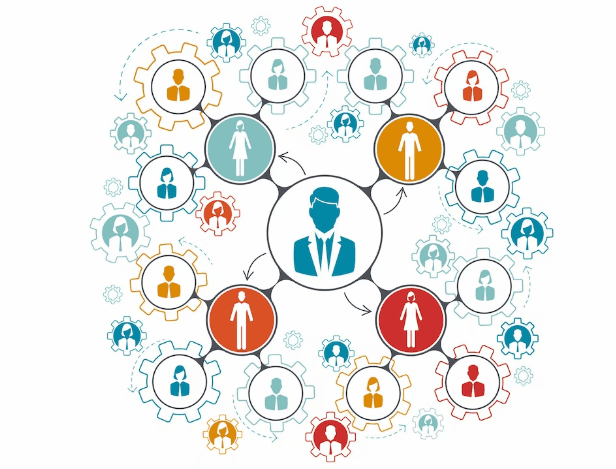
A one-size-fits-all approach to compliance training is often ineffective. Different roles within an organization have unique responsibilities and risks, requiring tailored training programs.
For example, managers need advanced training on handling employee complaints, conducting investigations, and ensuring team compliance. In contrast, entry-level employees may focus on basic policies and workplace conduct.
Department-specific training is also important. HR teams require in-depth knowledge of labor laws, while IT teams need expertise in data security and privacy regulations. Customizing content ensures relevance and effectiveness.
Scenario-based learning is particularly useful for role-specific training. For instance, sales teams can practice handling customer data responsibly, while finance teams focus on regulatory compliance in transactions.
Personalized learning paths can be created using digital platforms. Employees receive training modules tailored to their roles, experience levels, and previous performance. This improves engagement and knowledge retention.
Role-specific metrics also matter. Different roles may have different compliance risks, so tracking should reflect these differences. For example, HR may track hiring compliance violations, while IT tracks data security incidents.
Tailored content delivery enhances relevance. When employees see how compliance applies directly to their jobs, they are more motivated to engage and retain knowledge. This increases the overall effectiveness of training programs.
Customized compliance training demonstrates an organization’s commitment to meeting diverse employee needs. It creates a more engaging and effective learning environment, ultimately leading to better compliance outcomes.